Your Support Transforms Lives

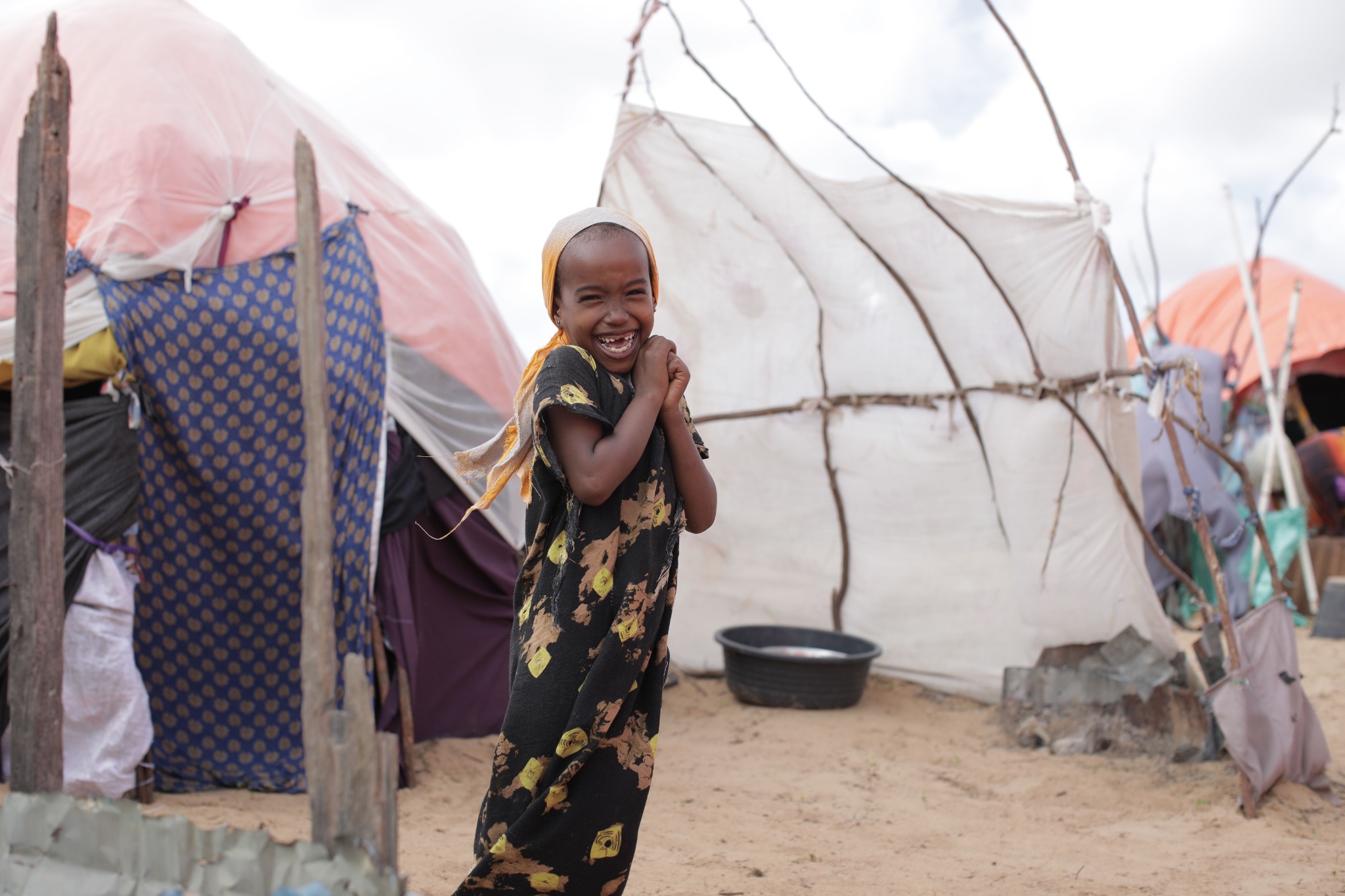
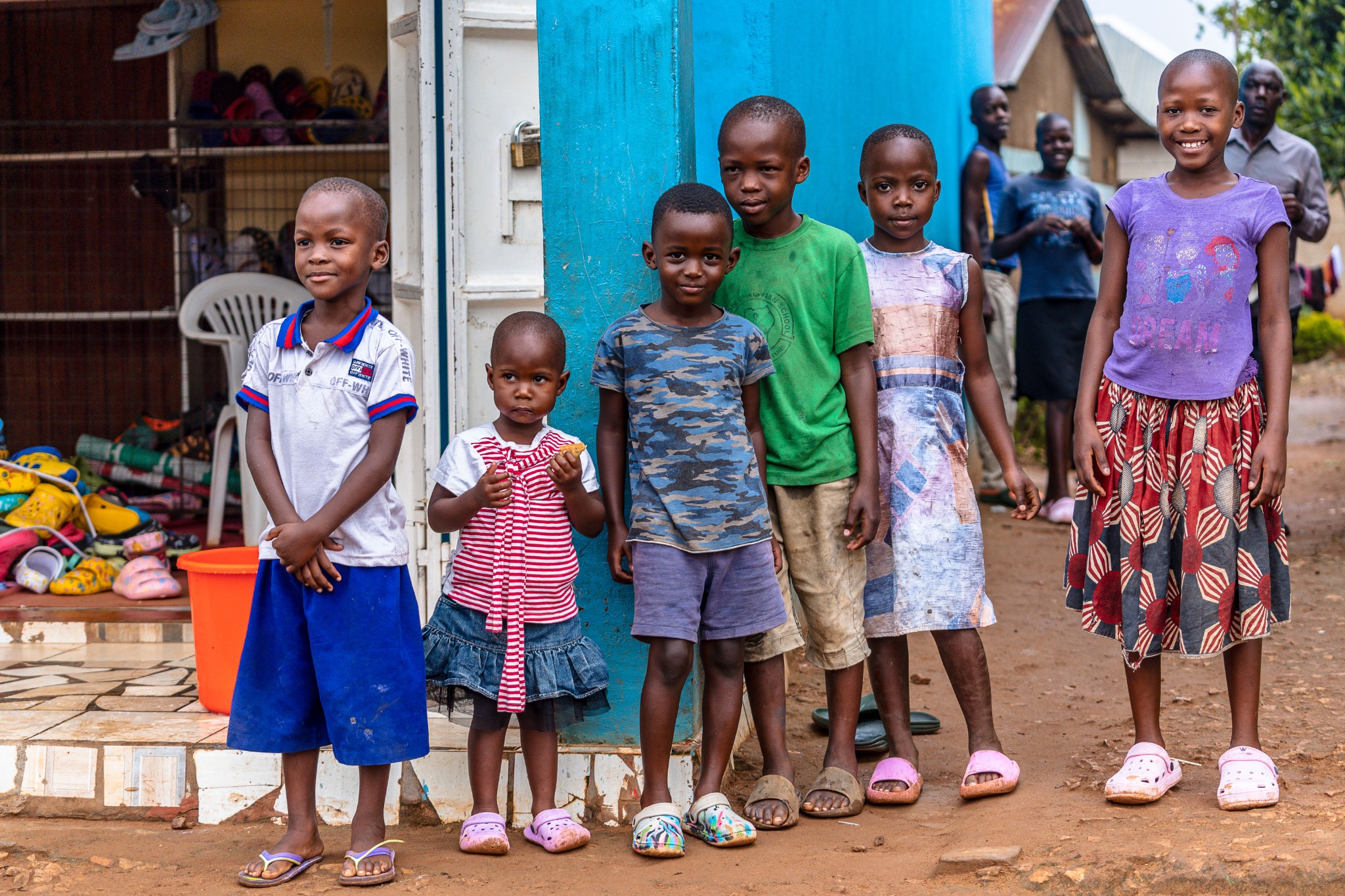
A smiling girl in her community

Together, We’re Making a Difference

Purpose

NAMBI FOUNDATION was founded in 2023 in Kampala, Uganda, as a non-profit organisation supporting vulnerable people affected by social, economic and humanitarian challenges.

Since the establishment of the United Nations in 1945, the system of international assistance has undergone significant changes. Over time, a broad network of international organisations, funds, agencies, and non-governmental organisations has developed to operate in countries affected by armed conflict, poverty, and other humanitarian crises.

The development of international assistance has also highlighted several limitations within the system, particularly the politicisation of access to assistance, dependence on donor priorities, fragmentation of individual interventions, and short-term programme financing. These factors influence how assistance is designed, financed, and implemented, as well as the extent to which programmes respond to the long-term priorities of the countries in which they operate.

In practice, humanitarian and development assistance is often implemented through individual projects linked to a predefined purpose, a specific target group, and a fixed period of financing. A more effective approach recognises the expertise that already exists within the countries where these programmes are implemented. Local experts often have equivalent or higher levels of education, many years of professional experience, and detailed knowledge of local institutions, legal and economic conditions, social relations, and the practical challenges that programmes are designed to address.

Giving greater authority to foreign expertise primarily on the basis of its external origin limits the use of the existing human capital of the country and can create a model based on the principle of “I decide what is good for you.” Such an approach places local communities in a secondary position and gives greater influence to the political and economic priorities of donor countries.

Effective development assistance therefore requires a system in which the people, communities, and institutions of the countries where programmes are implemented have a central role. Their participation should extend across the design, decision-making, implementation, and evaluation of programmes. Foreign expertise has the greatest value when it complements and strengthens existing domestic capacities and supports the development of local institutions.

The purpose of a sustainable system is to create a transition from individual interventions towards interconnected mechanisms that strengthen local capacity, economic opportunities, public institutions, and the ability of countries and communities to respond to future challenges. Over time, this approach can contribute to greater self-sufficiency and reduce long-term dependence on humanitarian assistance.

At a time of growing global instability, there is a unique opportunity to become leaders in the development and implementation of solutions based on the protection of human life and human dignity. By building assistance around these values, countries and institutions can strengthen their credibility and become respected actors in promoting peace, stability, and human well-being around the world.
Eliška Ciria, Director of NAMBI FOUNDATION
Eliška CiriaDirector of NAMBI FOUNDATION

Our Story

Reassessing Humanitarian and Development Assistance in Support of Long-Term Development

The world today is characterised by growing interdependence among countries. Events in one part of the world can have a significant impact on developments in other regions, particularly in the areas of the economy, migration, and security. Political crises and armed conflicts can further increase these effects, often affecting several countries at the same time. Challenges that extend beyond national borders therefore require cooperation and a coordinated response from multiple countries.

The ability of countries to respond to such challenges is also closely connected to the conditions in which people live. Poverty, limited access to healthcare and education, forced displacement, and a lack of economic opportunities can increase vulnerability and contribute to instability. Long-term solutions therefore include strengthening public services, local economies, and institutions that are capable of responding to the needs of the population.

In this context, humanitarian and development assistance has a broader significance, as it supports stability in the countries receiving assistance and contributes to greater security for the countries that provide it. Solidarity thus has a practical meaning for all countries involved.

The decisions made today will shape how effectively countries are able to prevent crises, respond to their impact, and protect the people affected by them. A safer world depends on long-term responsibility, cooperation, and a willingness to support stability beyond national borders.

Result Areas

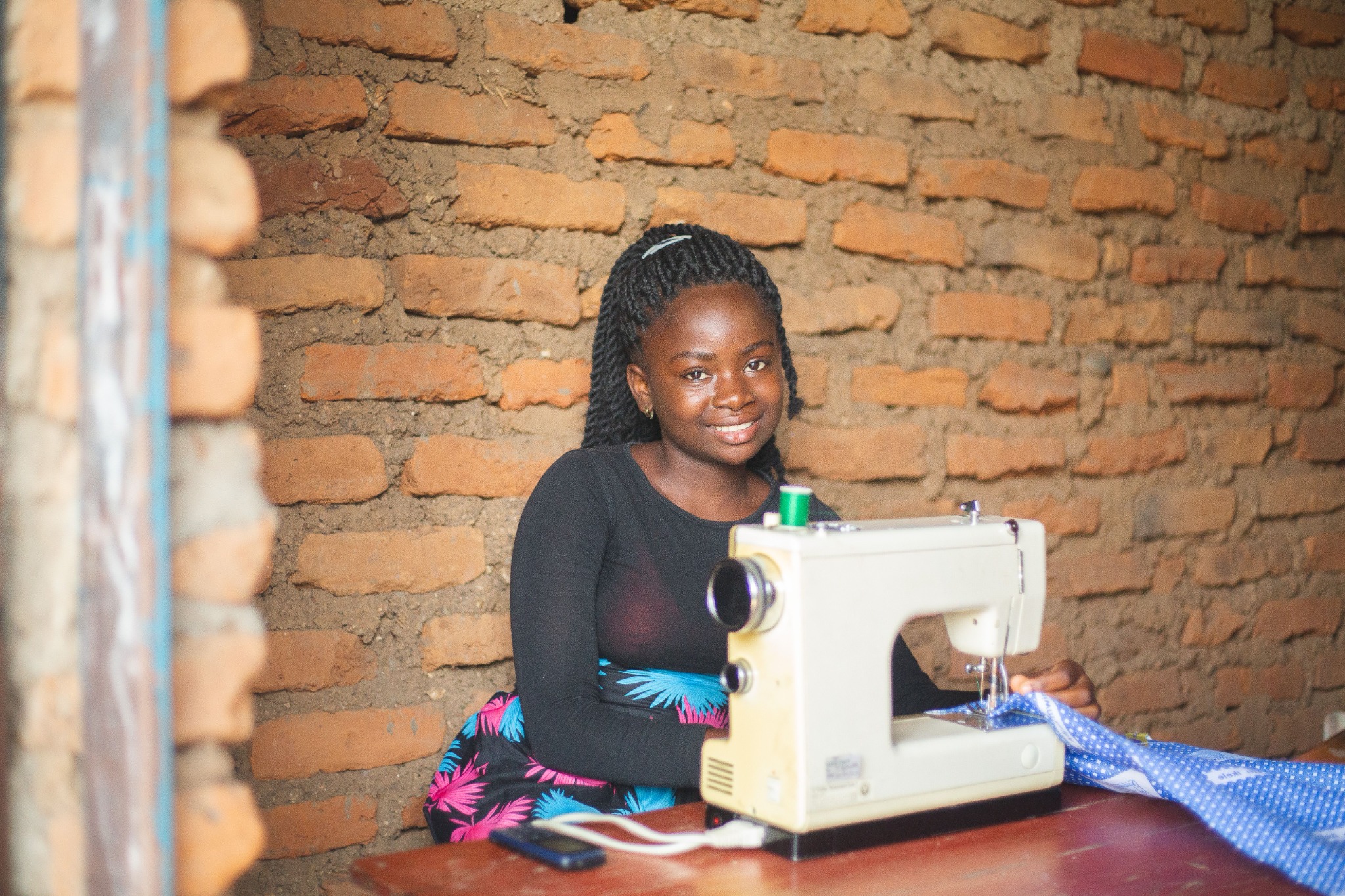
A woman working with a sewing machine

Women’s Economic Empowerment

Result Area 1 encompasses NAMBI FOUNDATION’s support to the development of community-based models, partnerships, strategies and practical support mechanisms that enable women’s economic empowerment, dignity and self-reliance. This includes Project Martha as a church-based support model that connects fundraising, business registration, access to loans, entrepreneurship, administration, accounting, taxation and psychosocial support.

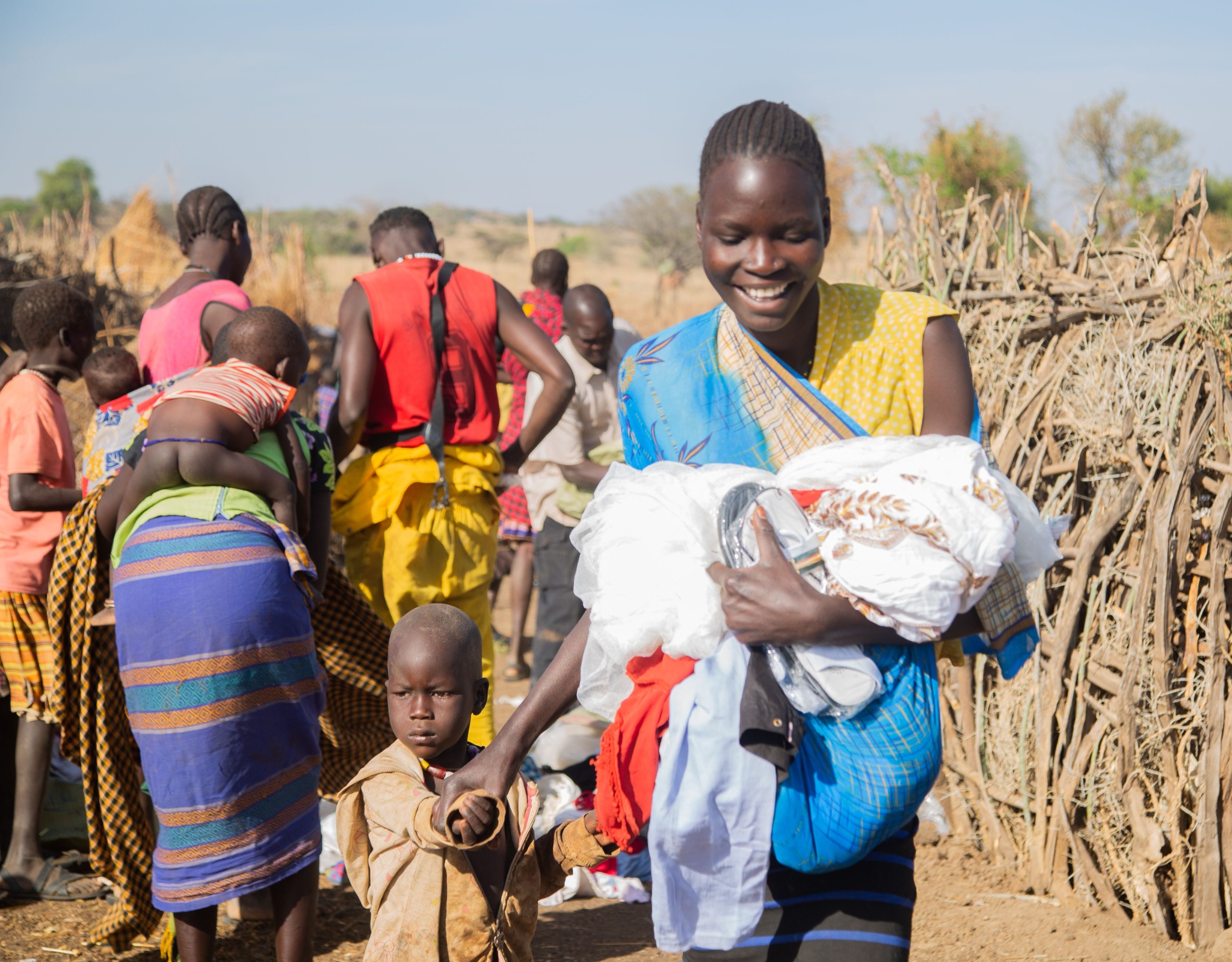
Humanitarian assistance in a refugee community

Healthcare and Humanitarian Assistance

Result Area 2 encompasses NAMBI FOUNDATION’s support to the design, implementation and scale-up of programmes and services that protect, promote and support access to healthcare, humanitarian assistance and specialised therapeutic support for vulnerable patients, disabled individuals and families. Programmes and services should be packaged and delivered in ways that optimize access to treatment, practical assistance and continuity of care.

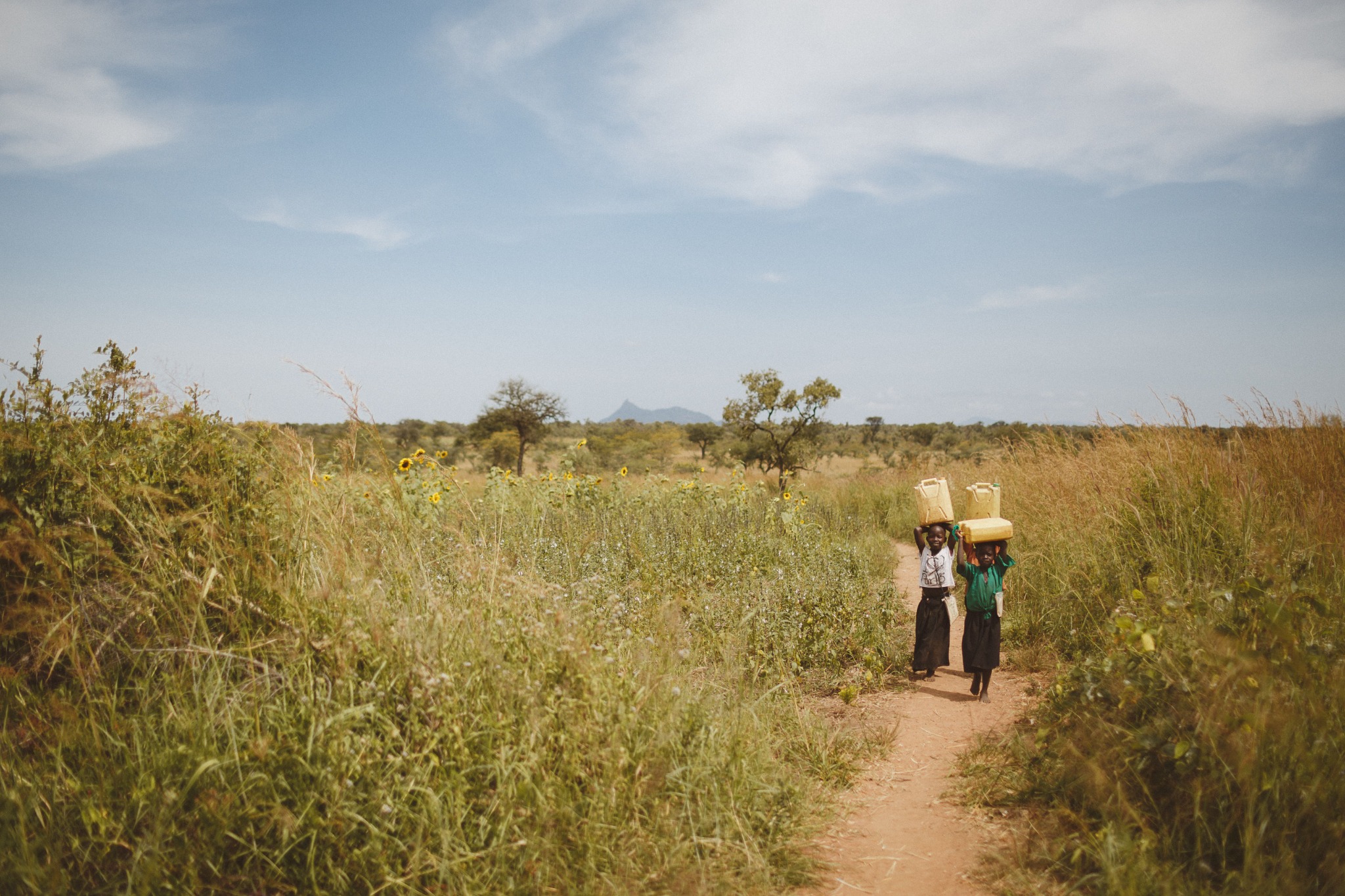
Children supported through education and protection programmes

Child Protection and Education

Results Area 3 encompasses NAMBI FOUNDATION’s support to the development of education assistance, child protection activities and practical support mechanisms that help vulnerable children access learning, safety and dignity. This includes tuition fee coverage, scholarships, school supplies, toys, library support and the Violence Against Children programme.

A traditional Ugandan mask

Cultural Preservation and Cross-Cultural Cooperation

Results Area 4 encompasses NAMBI FOUNDATION’s support to the preservation, documentation and promotion of Ugandan cultural heritage through MARTH-ART. This includes the collection, writing, publication and sharing of Ugandan folk tales, community stories, oral traditions and educational cultural materials.

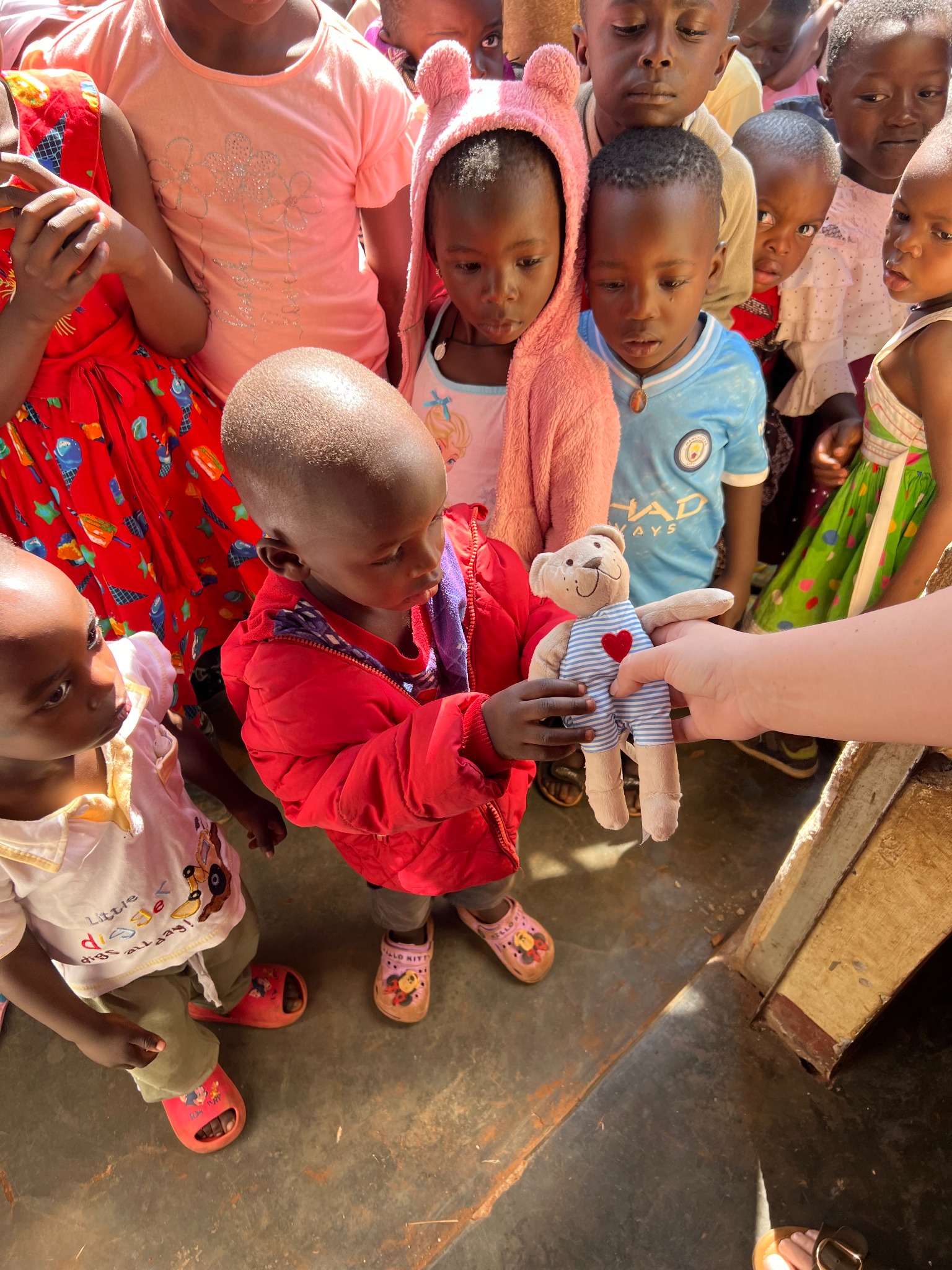
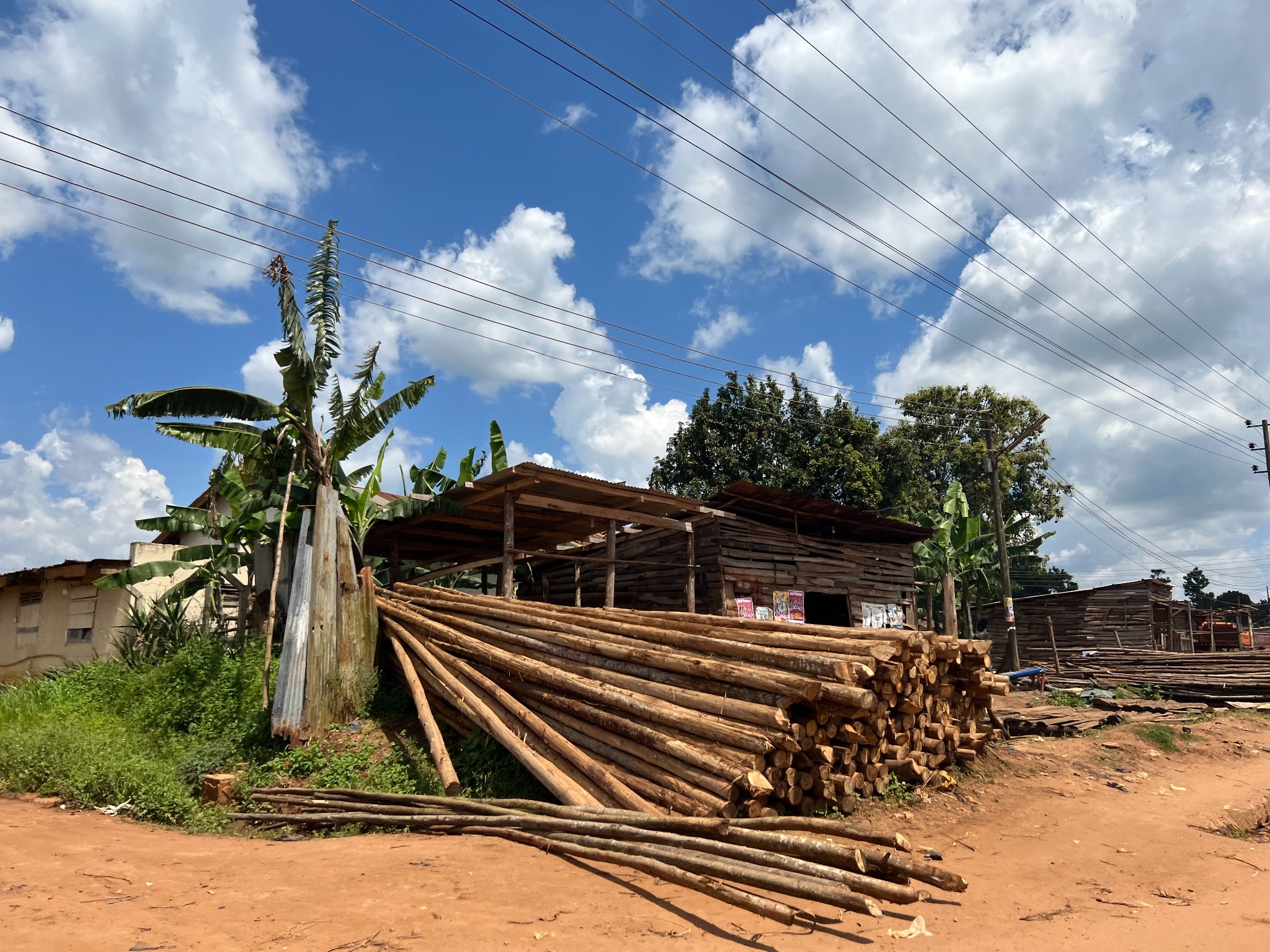
Children receiving programme supportA community setting in Uganda

A Brighter Tomorrow

Programmes

We apply a multisectoral approach to address the interconnected needs of vulnerable individuals, families and communities. Its work brings together health, humanitarian assistance, disability support, education, child protection, women’s economic empowerment and cultural cooperation in order to respond to vulnerability in a more coordinated and practical way.

Our Programmes

In The News

Find the latest news and press about our team and our work below.

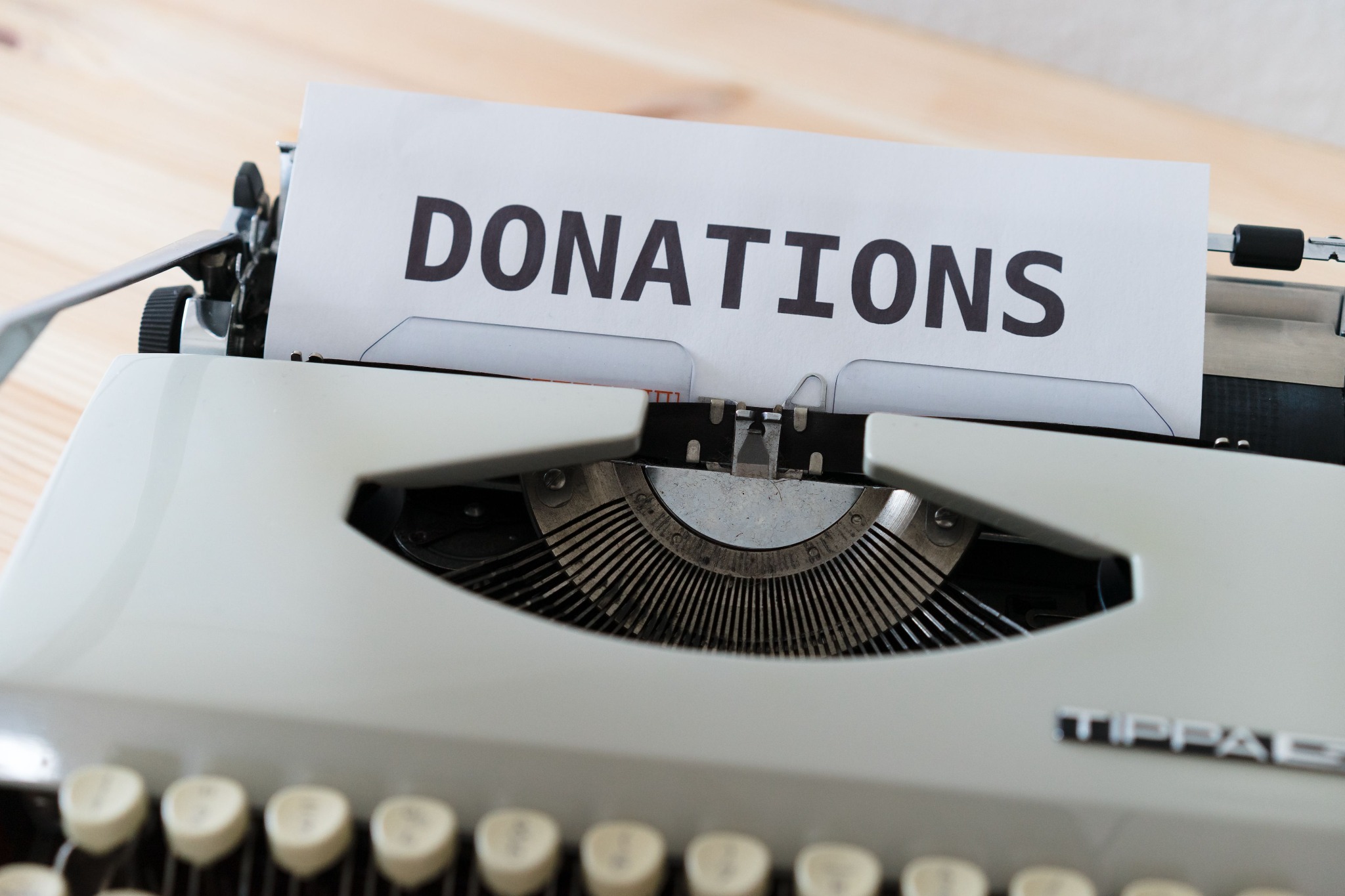
A donations message ready for fundraisingFundraising Soon
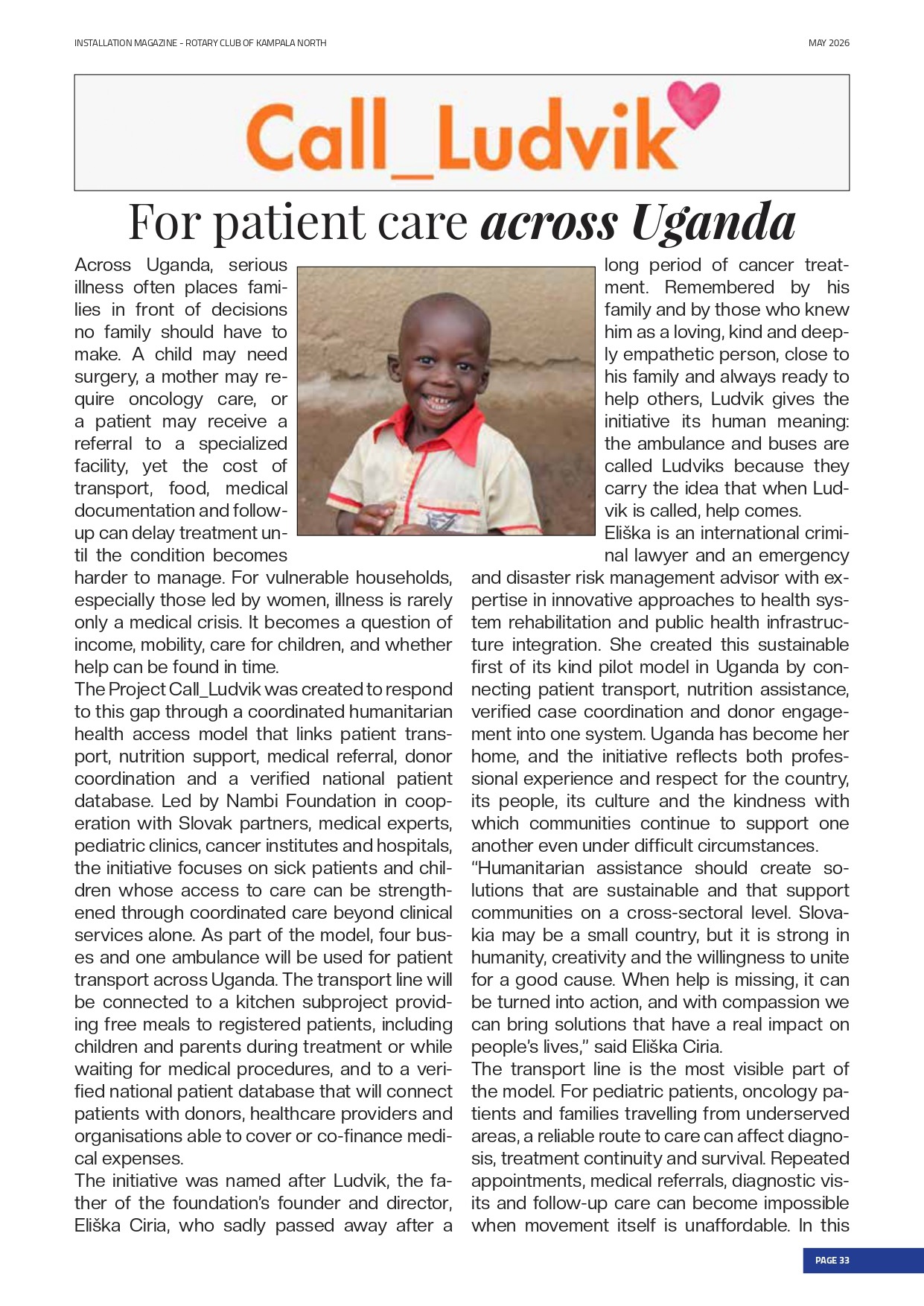
Call_Ludvik article in the Rotary installation magazineRotary Installation Magazine
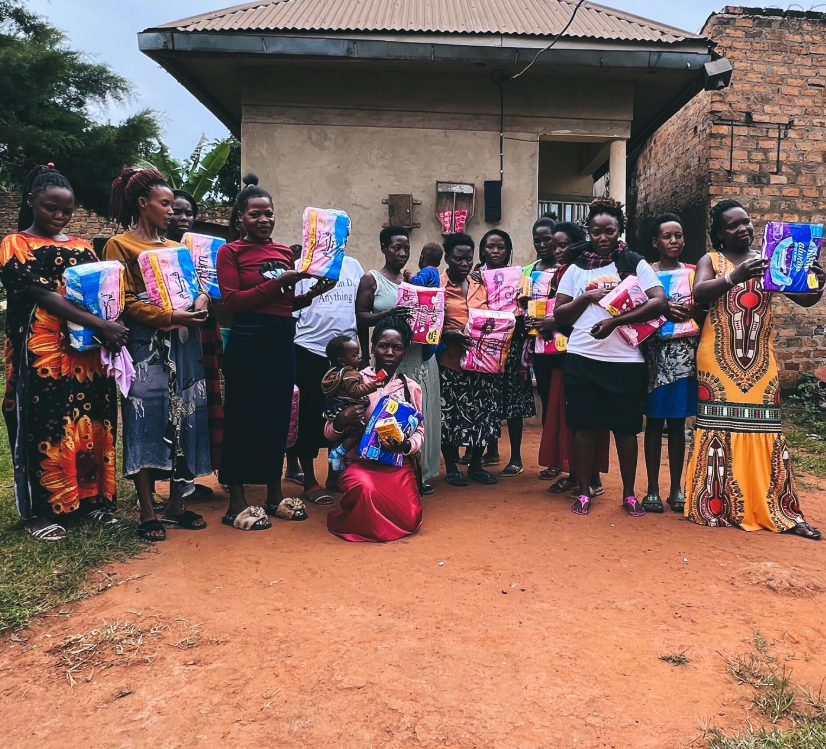
Women receiving sanitary pad supportSanitary pads for HIV-positive women in Mityana district