
MARTH-ART

Slovak literary history offers an example of how oral traditions can become part of a nation’s written cultural heritage. In the 19th century, Pavol Dobšinský collected and published Slovak folk tales that had been passed down orally for generations. His work helped preserve stories, characters, values, customs, and elements of everyday life that might otherwise have gradually disappeared without being recorded in writing. Today, Dobšinský’s collections form part of Slovakia’s literary and cultural tradition and continue to introduce children to stories that originated long before they were given a written form.
Uganda has an equally rich tradition of oral storytelling, shaped by its kingdoms, communities, languages, and regional histories. The colonial past, changes in education, and the gradual weakening of intergenerational storytelling have meant that a significant part of the country’s cultural heritage remains outside published literature. Many traditional Ugandan folk tales, legends, and bedtime stories have survived primarily in the memories of older generations, families, and local storytellers.
The project therefore collects original Ugandan folk tales and traditional stories directly from the communities that have preserved them for generations. Its aim is to record these stories for future generations and protect an important part of Uganda’s cultural heritage.
The collection was created as the first project of its kind in East Africa and is divided into separate volumes according to Uganda’s historical kingdoms. The stories are recorded together with their geographical and historical context so that the books serve not only as literature for children, but also as a record of Uganda’s cultural memory.
The long-term aim is to return these stories to the lives of Ugandan children through education. The collections are being prepared for use in primary school teaching, where traditional stories can support reading and language skills, knowledge of their own culture, and understanding of Uganda’s history. Stories that have been preserved through oral tradition for generations will therefore become part of the country’s written cultural heritage and remain accessible not only to children, but also to teachers, families, and future generations in Uganda and around the world.
The name NAMBI FOUNDATION itself comes from Nambi, one of the central figures of the traditional oral cultural heritage of the Kingdom of Buganda. The identity of the organisation is therefore directly connected to the cultural history that we seek to preserve through this project and pass on to future generations.
Fundraising campaign
Help us preserve and publish Uganda's fairy tales.
We are fundraising to collect traditional Ugandan fairy tales from the communities and storytellers who have preserved them, prepare the stories for publication, and produce books that return this cultural heritage to Uganda's children.
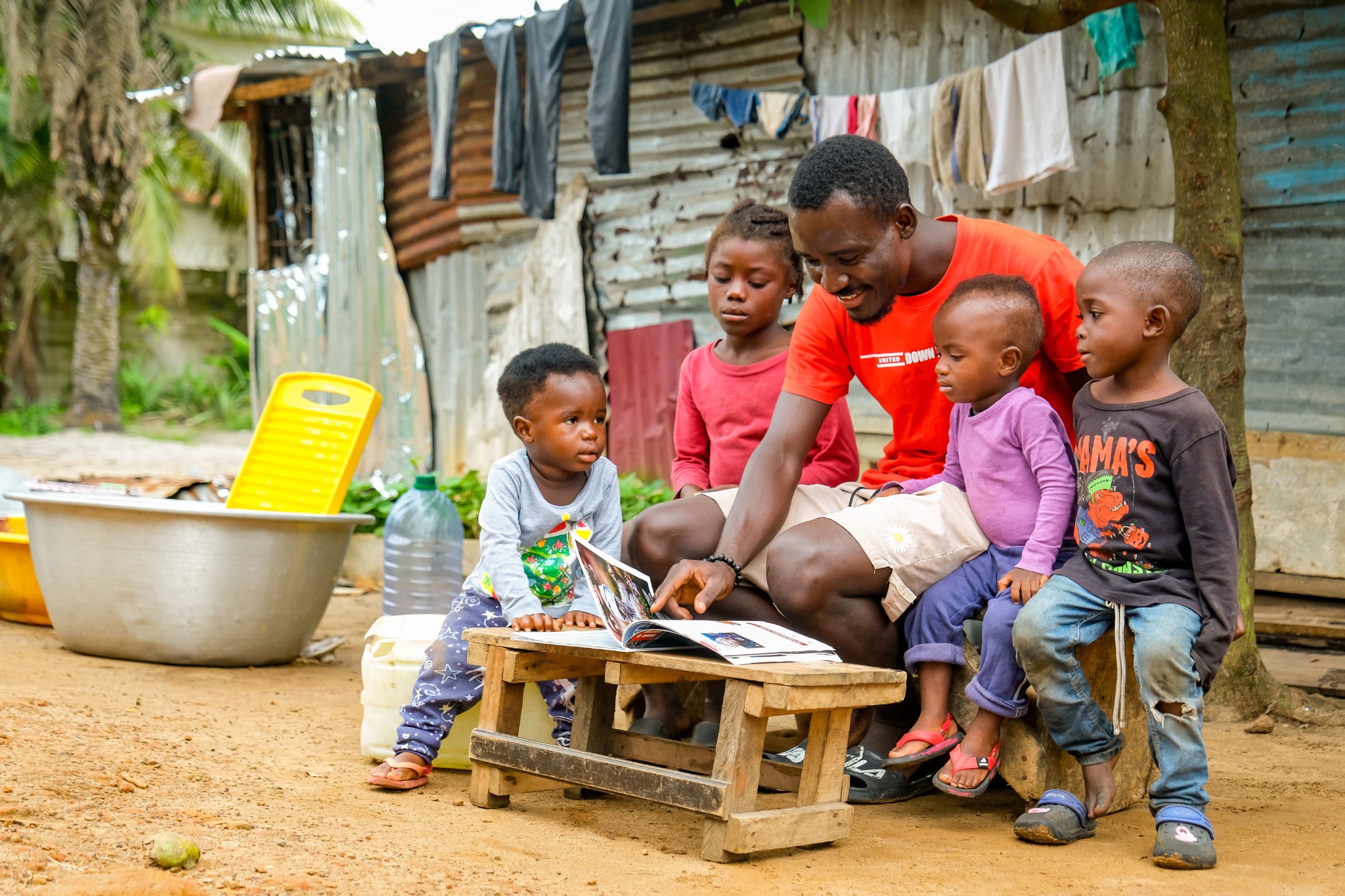
Our target is to distribute 50,000 books free of charge to underprivileged children across Uganda.
Donate Now