Creating Development
Infrastructure in Uganda
InnovativeTransformationStrategies
Our aim is to create functioning development infrastructure in Uganda that operates as a micro-administration.
A locally rooted, integrated support system in which different areas of development work together rather than functioning as isolated projects. In the same way that public administration provides the structures through which a state organizes and coordinates institutions, services, and public functions, our micro-administration creates a support structure that coordinates communities, organizations, service providers, financial institutions, healthcare facilities, schools, and other partners within one interconnected system.
Development
Infrastructure




No patient should be denied access to life-saving treatment because of financial barriers.
NAMBI FOUNDATION is changing the landscape of development assistance.
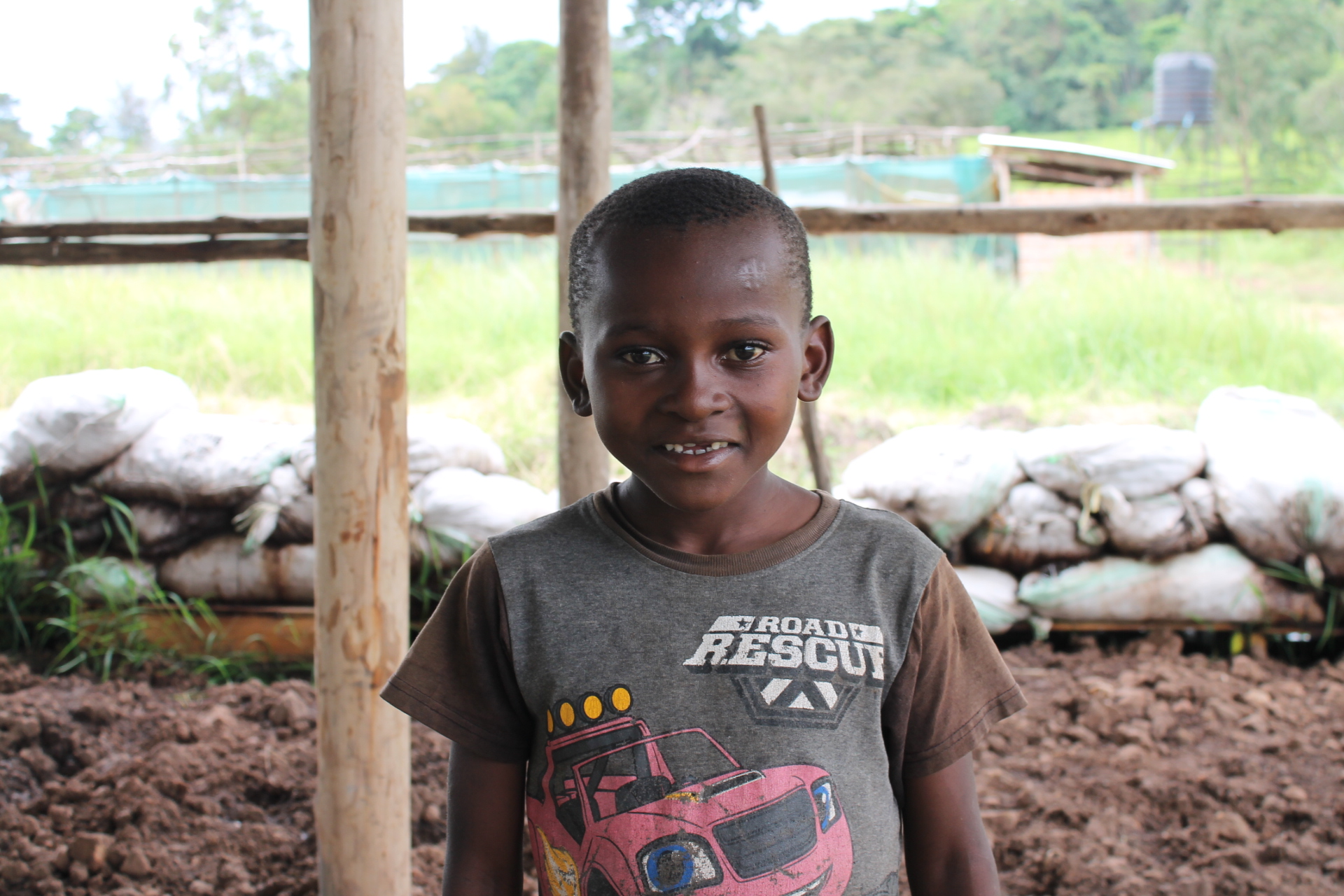
Today, many families in Uganda face limited access to emergency healthcare, low household incomes, and major barriers to education. Only about 7.4% of emergency patients are transported to health facilities by ambulance, while female-headed households have an average monthly income of approximately UGX 123,000. At the same time, only 66.8% of children attend primary school and just 22.3% attend secondary school.
Emergency medical services are a vital part of a functioning health system. For many Ugandan families, reaching a hospital, paying for diagnostic tests, medicines, surgery, and continuing treatment can place an overwhelming burden on already limited household resources. For children requiring urgent care, these financial and transport barriers can directly affect how quickly treatment is received.
Education and economic stability are equally important to long-term development. Uganda’s literacy rate is approximately 74%, yet participation falls significantly beyond primary education.
Low household income, limited access to healthcare, and interrupted education reinforce one another, making it more difficult for families to build lasting stability and improve their quality of life.
A Case for Support
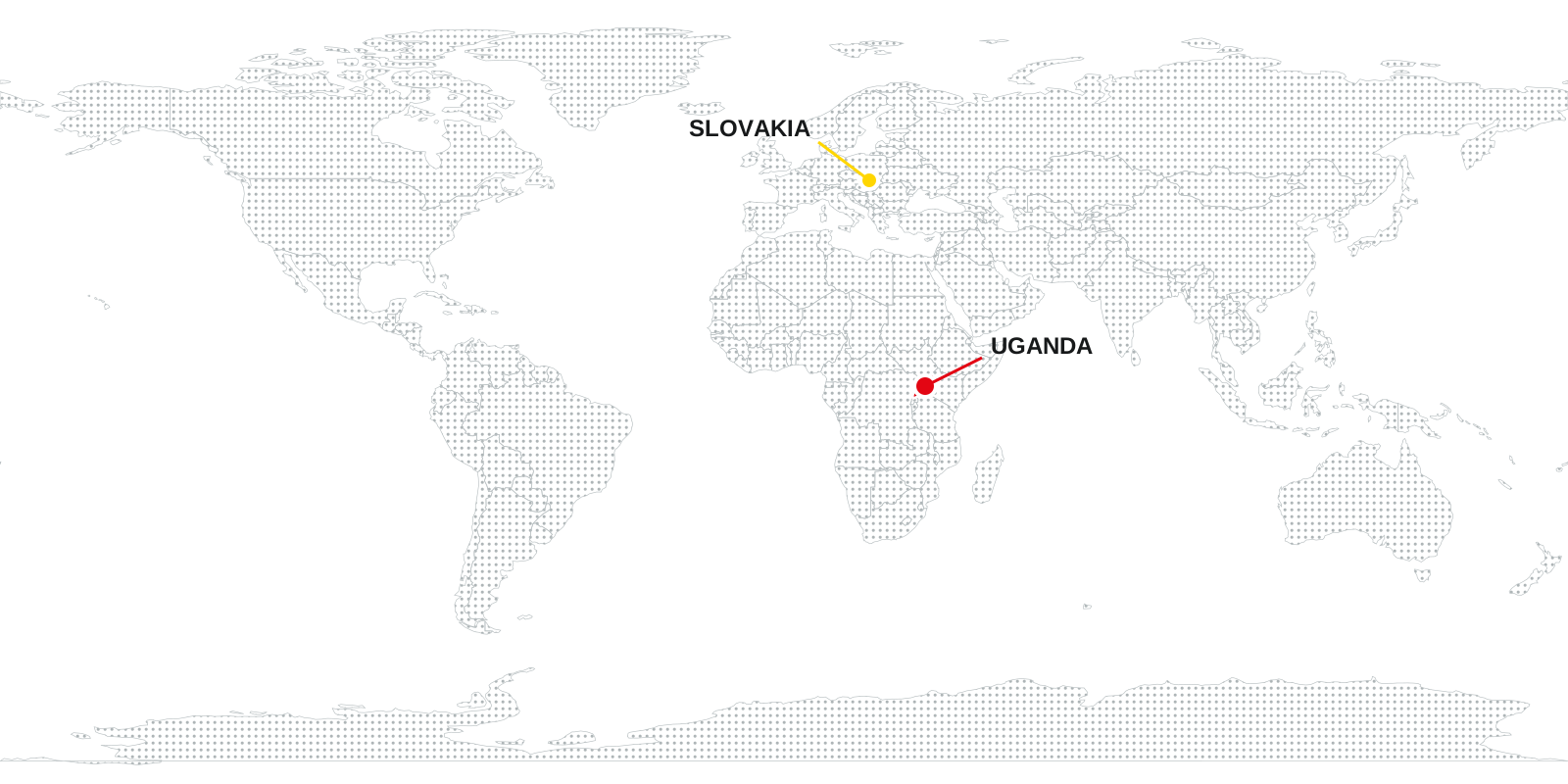
See where we've helped.